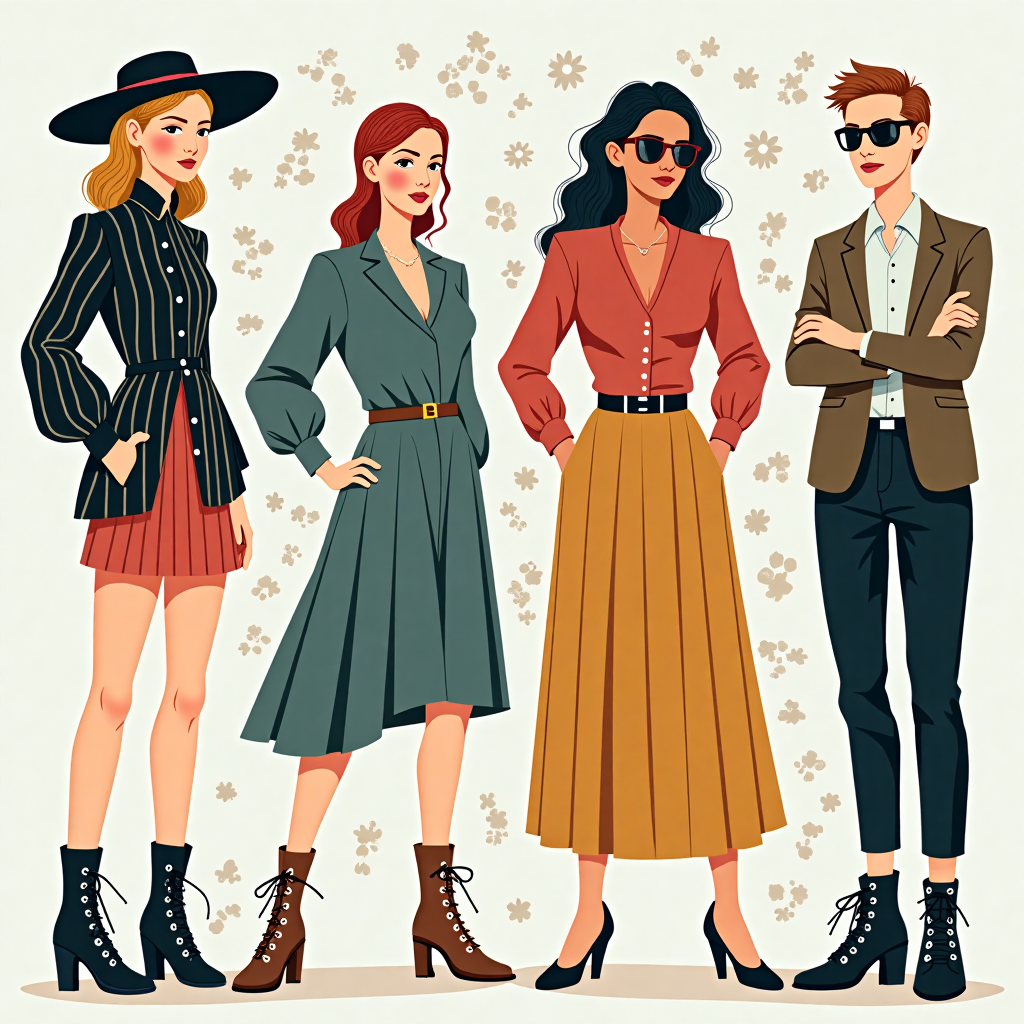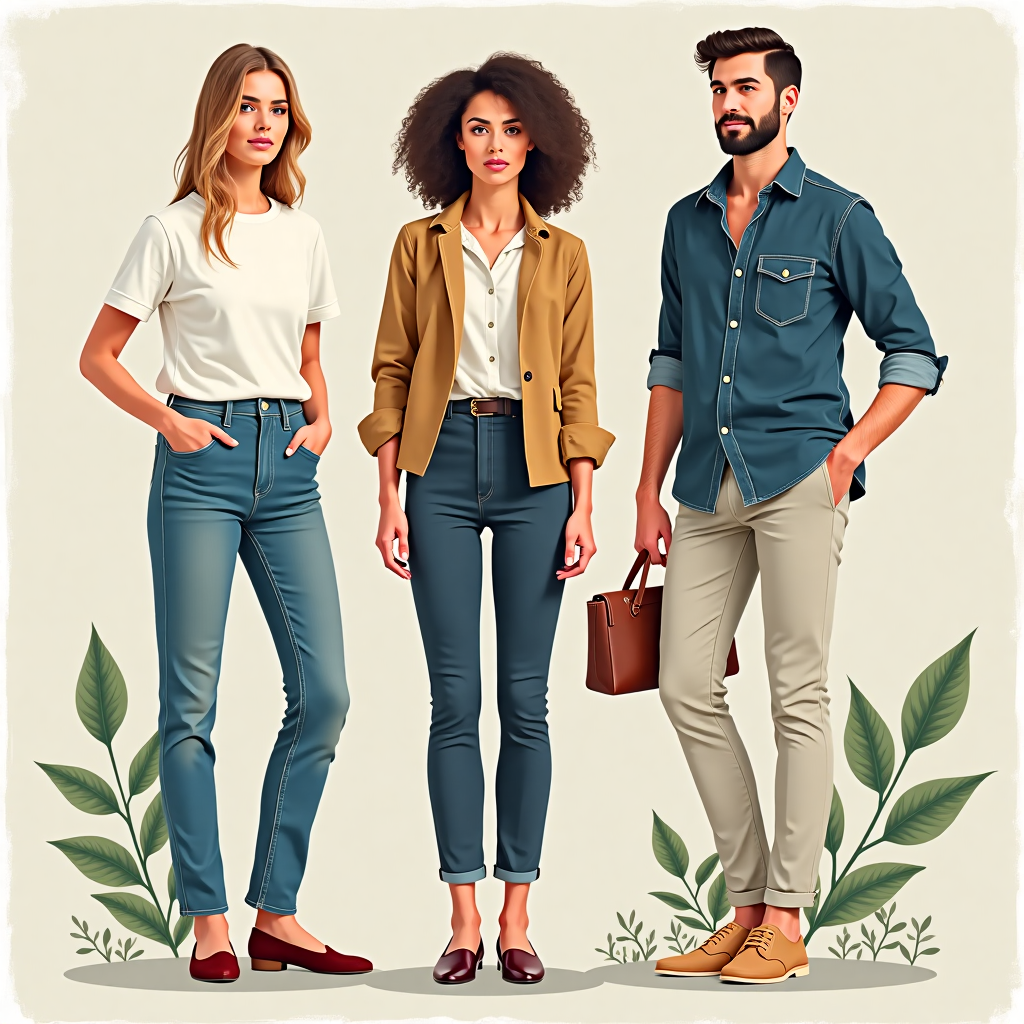
In the fast-moving world of digital retail and content-driven commerce, “shop the look” has evolved from a trendy phrase into a powerful merchandising strategy. Whether you are a fashion blogger, an interior design influencer, a boutique owner, or a large-scale e-commerce manager, the ability to showcase a complete, curated aesthetic and let your audience purchase every element of that vision in one click is no longer optional. It is a core expectation of modern online shopping. This article explores what “shop the look” truly means, why it works, how to implement it effectively across different industries, and how to avoid the most common pitfalls that dilute its impact.
At its heart, “shop the look” is about removing friction between inspiration and purchase. A customer sees an image of a beautifully styled living room, a model wearing an effortlessly layered outfit, or a perfectly arranged tablescape. Instead of wondering where to find each individual item, they can click a hotspot, view the product details, and add every piece to their cart. This seamless bridge between visual inspiration and transactional action has transformed how brands approach product discovery. It turns passive browsing into active shopping and helps customers visualize not just a product, but a lifestyle.
Over the past decade, I have written extensively about e-commerce trends, conversion optimization, and content marketing. In that time, one consistent truth has emerged: consumers buy emotions and identities, not just objects. “Shop the look” taps directly into that psychology. It sells a complete story, a finished aesthetic, and a sense of confidence. The customer no longer has to make dozens of separate decisions or worry about whether items will coordinate. The curation has already been done for them. This convenience, combined with a strong visual narrative, is why “shop the look” consistently outperforms traditional product grids in engagement, average order value, and customer satisfaction.
What Does “Shop the Look” Really Mean?
“Shop the look” is a digital retail feature and content strategy that groups multiple related products into a single shoppable visual. Instead of displaying isolated product images, brands present a complete scene or outfit and allow shoppers to click on specific items within the image to view details, select sizes or variants, and add them to their cart. The concept originally gained traction in fashion e-commerce, where retailers would show a model wearing a full outfit and list every garment and accessory below or beside the photo. Over time, the idea expanded into home décor, beauty, lifestyle, and even travel gear.
In practice, a “shop the look” module can take several forms. It might be a hero image on a homepage with clickable hotspots. It might be a carousel of outfit cards on a category page. It might be a dedicated editorial blog post where each image is tagged with product links. It might also appear in user-generated content galleries, where customers upload photos of themselves using products and the brand tags the items they are wearing or using. The common thread is that the visual is inseparable from the commerce. The image does the storytelling, and the tags do the selling.
More importantly, “shop the look” is not just a technical feature. It is a philosophy of merchandising that prioritizes context over isolation. A plain white-background photo of a jacket tells a customer what the jacket looks like. A photo of that same jacket styled with a sweater, trousers, boots, and a scarf tells the customer how to live in that jacket. It answers questions about fit, proportion, color pairing, and occasion. That contextual information is often the deciding factor between hesitation and purchase.
Why “Shop the Look” Works So Well
The Psychology of Visual Storytelling
Human beings are hardwired for stories. When we see a complete look, our brains instantly begin to fill in a narrative. We imagine ourselves wearing that outfit to a dinner party, relaxing in that styled living room, or using that skincare routine before a big event. A single product image rarely triggers that level of imaginative engagement. “Shop the look” leverages what psychologists call the endowment effect. When people can mentally place themselves inside a scene, they begin to feel a sense of ownership over the items in that scene. The more vivid the mental image, the stronger the emotional connection, and the more likely they are to buy.
Another psychological principle at work is decision fatigue. Modern consumers are overwhelmed with choices. They may like a sofa but have no idea which rug, coffee table, or lamp would complement it. They may love a dress but worry about which shoes or bag to pair with it. By presenting a pre-coordinated collection, brands reduce the number of decisions a shopper has to make. This reduction in cognitive load is a proven driver of conversion. A customer who would have abandoned their cart while searching for matching accessories can instead complete a purchase in minutes.
The Power of Social Proof and Aspiration
“Shop the look” also harnesses social proof. When a look is associated with an influencer, a stylist, or a trusted brand voice, it carries a stamp of approval. The customer feels that someone with taste has already done the difficult work of curation. This is especially powerful in user-generated content. When a real customer shares a photo of themselves wearing a brand’s products and the brand tags each item, other shoppers see someone like them successfully pulling off the look. That authenticity is far more persuasive than a traditional advertisement.
Aspiration plays a major role as well. People do not just buy products; they buy the person they want to become. A “shop the look” image of a minimalist, sunlit bedroom invites the shopper to imagine a calmer, more organized version of their life. A fashion image of a confident professional in a tailored blazer invites them to imagine success and competence. The bundled nature of the feature makes it easier to purchase that entire aspirational identity in one step, which significantly increases average order value.
Where You See “Shop the Look” in Action
The strategy appears across nearly every sector of e-commerce, but some of the most common applications include:
- Fashion and apparel: Outfit posts, seasonal lookbooks, influencer collaborations, and category pages where full looks are displayed with clickable items.
- Home décor and furniture: Room scenes where sofas, rugs, lighting, wall art, and accessories are all tagged and shoppable.
- Beauty and cosmetics: Tutorial images or videos showing a full makeup look, with every product used available to add to cart.
- Outdoor and lifestyle gear: Adventure scenes featuring tents, backpacks, apparel, and cooking equipment in a cohesive setup.
- Children’s products: Nursery scenes or children’s outfits where multiple items are bundled into a single visual story.
The versatility of the format is one of its greatest strengths. Any product that benefits from context, coordination, or lifestyle association can be merchandised through a “shop the look” experience. The key is to understand how your specific audience wants to visualize the end result.
How to Create a High-Converting “Shop the Look” Experience
Know Your Customer’s Aesthetic and Intent
Before you start tagging products, you need a deep understanding of who you are curating for. Are your customers looking for affordable everyday style, luxury statement pieces, minimalist home upgrades, or bold maximalist décor? The more precisely you define their aesthetic preferences, the more effectively you can build looks that resonate. Use your analytics, customer reviews, social media comments, and purchase history to identify patterns. Pay attention to which items are frequently bought together and which color palettes dominate your best-selling categories.
It is also important to distinguish between inspiration-seeking shoppers and purchase-ready shoppers. Some visitors want to explore ideas and save items for later. Others want to buy a complete look immediately. A strong “shop the look” feature should serve both groups. Make it easy to save individual items to a wishlist, but also offer a one-click “add all to cart” option for those who are ready to commit. Flexibility is essential.
Choose a Hero Product and Build Around It
Every successful look starts with a focal point. In fashion, this might be a statement coat, a bold dress, or a distinctive pair of shoes. In home décor, it might be a striking sofa, a unique piece of art, or a sculptural light fixture. Once you have chosen the hero product, build the rest of the look around it in terms of color, texture, proportion, and style. The goal is not to fill the scene with as many products as possible, but to create a harmonious visual where every item supports the central piece.
For example, if your hero product is a rust-colored velvet armchair, you might pair it with a cream boucle ottoman, a brass floor lamp, a muted abstract print, and a textured wool throw. Each supporting item should complement the chair without competing with it. The result is a look that feels effortless rather than forced. That sense of ease is what compels shoppers to trust the curation and buy multiple items.
Invest in High-Quality Visuals
“Shop the look” lives and dies by the quality of its imagery. A blurry photo, poor lighting, or cluttered composition will undermine even the most carefully chosen products. If budget allows, hire professional photographers and stylists who understand how to create images that are both beautiful and commercially effective. The scene should feel aspirational but attainable, polished but not sterile. Real-life settings, natural light, and lived-in textures often perform better than overly staged studio shots because they help the customer imagine the products in their own life.
When shooting fashion looks, consider showing multiple angles and close-up details. A front view may show the overall outfit, but a side view reveals how a jacket falls, and a detail shot shows fabric texture or accessory hardware. For home décor, wide shots establish the full room, while close-ups highlight the quality of materials and finishes. The more visual information you provide, the fewer questions the customer has to ask, and the more confident they feel about purchasing.
Make Every Item Easy to Identify and Purchase
One of the fastest ways to frustrate a shopper is to show a beautiful look and then make it difficult to find the items. Each product in the image should be clearly tagged, either with a visible hotspot or through a numbered list that corresponds to the visual. The tags should be intuitive and not obscure the most important parts of the image. On mobile devices, where screen space is limited, consider a bottom sheet or side panel that updates as the user taps different hotspots.
Product information should be immediately accessible. Include the product name, price, available colors, and sizes. If an item is out of stock, do not simply remove it from the look. Instead, offer a similar alternative or allow the customer to sign up for restock notifications. The goal is to keep the shopper moving forward, not to send them on a dead end. Additionally, always link each item to its full product detail page so customers can read reviews, check measurements, and view additional images before making a final decision.
Offer a Seamless “Shop the Entire Look” Option
The single most effective feature for increasing average order value is a prominent “Shop the Entire Look” or “Add All to Cart” button. This allows the customer to purchase every tagged item in the image with one action. To make this work well, you need to ensure that all items are in stock, that size selections are handled smoothly, and that the total price is displayed before checkout. You may also offer a small discount when the full look is purchased together, as this can further incentivize the bundle.
However, do not force the full bundle on every shopper. Some people will only want one or two items. The individual add-to-cart buttons should remain available. The full-look button is an option, not a requirement. When done well, this approach respects the customer’s autonomy while subtly encouraging a larger purchase.
Optimize for Mobile and Speed
A large percentage of “shop the look” interactions happen on mobile devices, particularly through social media platforms like Instagram, TikTok, and Pinterest. Your shoppable images must load quickly and function flawlessly on small screens. Hotspots should be large enough to tap without zooming, and product panels should not cover the entire image in a way that frustrates navigation. Test your experience on multiple devices and connection speeds. A slow or broken mobile experience will cause shoppers to abandon the page regardless of how beautiful the look is.
“Shop the Look” for Different Industries
Fashion and Apparel
Fashion is the most mature market for “shop the look,” and the competition is intense. To stand out, move beyond the basic model shot. Use diverse body types, real customer photos, and seasonal storytelling. Create looks for specific occasions, such as “Office-to-Dinner,” “Weekend Brunch,” or “Holiday Party.” Tag every layer, including jewelry, belts, hats, and bags, not just the main garments. Consider adding a mini style guide with each look that explains why the pieces work together, which colors flatter different skin tones, and how to adapt the look for colder or warmer weather. This added value builds trust and positions your brand as a styling resource, not just a retailer.
Home Décor and Furniture
Furniture and décor have longer purchase cycles and higher price points, so the “shop the look” experience must provide more education and reassurance. Room scenes should include dimensions, material details, and care instructions. Offer alternative colorways and fabric options for larger pieces. A feature that allows users to “shop by room” or “shop by style” can help them navigate large catalogs. For example, a user interested in “Scandinavian Living Room” can see several fully styled scenes and click through to buy individual items or entire room bundles. This approach reduces the intimidation factor of decorating and helps customers feel confident about mixing pieces.
Beauty and Personal Care
In beauty, “shop the look” often takes the form of a completed makeup look or skincare routine. Tag every product used, from primer to setting spray. Include step-by-step instructions either as text or as a short video. This is particularly effective for brands that sell color cosmetics, because customers want to know exactly which shades are used in the image. If your brand offers virtual try-on tools, integrate them with the shoppable look so customers can see how the products would look on their own face. The combination of tutorial content and instant purchasing creates a powerful conversion path.
Lifestyle, Travel, and Outdoor Gear
For lifestyle and outdoor brands, “shop the look” can showcase complete adventure kits, travel capsules, or wellness routines. A camping scene might include a tent, sleeping bag, camp stove, headlamp, and insulated jacket. A travel image might feature a suitcase, packing cubes, travel pillow, and versatile clothing items. The key is to tie the products to a specific experience or solution. This helps customers understand not just what to buy, but why they need it and how it all fits together.
SEO and Content Marketing Benefits of “Shop the Look”
Beyond direct conversions, a well-executed “shop the look” strategy can significantly boost your search engine visibility and content marketing performance. When you publish shoppable editorial articles, lookbooks, or style guides, you create rich, relevant content that targets long-tail keywords. A blog post titled “How to Style a Camel Blazer for Fall” can rank for search terms that product pages alone would never capture. By embedding “shop the look” modules within that post, you convert organic traffic into product page visits and sales.
These content pieces also earn backlinks and social shares. Influencers and media outlets are more likely to link to a useful, visually engaging style guide than to a standard category page. Over time, this authority translates into higher rankings and more consistent organic traffic. To maximize the SEO value, ensure that each shoppable image has descriptive alt text, that product names and prices are marked up with structured data, and that the surrounding content provides genuine value rather than thin promotional copy.
Pinterest is another powerful channel for “shop the look” content. Users actively search for outfit ideas, room inspiration, and gift guides. By creating pinnable images with tagged products, you can drive referral traffic for months or even years after the initial post. The key is to design vertical images with clear text overlays and to link them back to the full shoppable article or landing page.
Common Mistakes to Avoid
- Overcrowding the image: Too many products in one scene can overwhelm the eye and dilute the focus. Stick to a clear hero product and a limited number of supporting items.
- Poor hotspot placement: If hotspots cover the model’s face or the room’s focal point, users will become frustrated. Place tags on or near the product, but never at the expense of visual clarity.
- Ignoring mobile usability: A feature that works beautifully on desktop but fails on mobile will lose a huge portion of your audience. Design mobile-first whenever possible.
- Tagging out-of-stock items without alternatives: Dead ends kill the shopping momentum. Always provide similar product suggestions or restock options.
- Lack of price transparency: Hiding prices until the final step erodes trust. Show clear pricing at the moment of discovery.
- Forgetting to update seasonal looks: A “shop the look” module featuring heavy coats in July or strappy sandals in January feels out of touch. Refresh your looks regularly to match the season and current trends.
Measuring the Success of Your “Shop the Look” Strategy
To know whether your investment is paying off, track more than just overall revenue. The following metrics provide a clearer picture of how shoppers interact with your shoppable content:
- Engagement rate: How many visitors click on a hotspot, open a product panel, or save an item to a wishlist?
- Bundle conversion rate: What percentage of shoppers use the “Shop the Entire Look” button and complete the purchase?
- Average order value: Are customers who interact with “shop the look” spending more than those who use standard product pages?
- Time on page: Do shoppable visuals keep users engaged longer?
- Click-through rate to product detail pages: Are tagged items driving additional product discovery?
- Return rate: Are customers who buy full looks more satisfied and less likely to return items?
Use A/B testing to refine your approach. Test different hero products, image styles, hotspot placements, and bundle discounts. Small changes can have a significant impact on performance. For example, you might find that a “Shop the Look” button placed directly on the hero image converts better than a link below the image. Or you might discover that user-generated content outperforms professionally shot campaigns for certain audiences. Let the data guide your creative decisions.
Future Trends in “Shop the Look”
The future of “shop the look” is being shaped by artificial intelligence, augmented reality, and deeper personalization. AI-powered styling tools can analyze a customer’s past purchases, browsing history, and saved items to automatically generate looks tailored to their preferences. Instead of showing every visitor the same curated scene, brands can serve each shopper a unique set of products that fit their size, budget, and aesthetic. This level of personalization dramatically increases relevance and conversion.
Augmented reality is also closing the gap between online and in-store shopping. Imagine pointing your phone at a room in your home and seeing how a shoppable living room look would fit in your actual space. Or uploading a photo of yourself and seeing how a complete outfit would look on your body type. These technologies are becoming more accessible, and brands that adopt them early will have a significant competitive advantage.
Social commerce will continue to blur the line between content and checkout. Platforms like Instagram, TikTok, and Pinterest are investing heavily in native shopping features that allow users to shop looks without ever leaving the app. For brands, this means that “shop the look” must be optimized not only for their own websites but also for the social ecosystems where discovery happens. The key is to maintain consistent product data, pricing, and branding across every channel so that the experience feels seamless.
Conclusion
“Shop the look” is far more than a passing e-commerce gimmick. It is a sophisticated strategy that combines visual storytelling, psychological insight, and technical convenience to create a shopping experience that feels personal, inspiring, and effortless. Whether you sell fashion, furniture, beauty products, or outdoor gear, the ability to present a complete, curated vision and let customers purchase every piece of that vision in one click is a proven driver of engagement, average order value, and customer loyalty.
The most successful implementations are built on a deep understanding of the customer, a commitment to high-quality visuals, and a relentless focus on usability. They avoid the common pitfalls of clutter, dead ends, and mobile neglect. They are measured, tested, and continuously refined. And they are supported by content marketing and SEO strategies that attract organic traffic and build long-term authority.
As technology evolves, the possibilities for “shop the look” will only expand. Artificial intelligence, augmented reality, and social commerce will make the experience even more personalized and immersive. But the core principle will remain the same: people buy stories, identities, and solutions, not just isolated products. The brands that master the art of curating and selling complete looks will be the ones that thrive in the next era of digital commerce. Start with one hero product, build a beautiful scene around it, tag every item, and watch how a simple visual can transform the way your customers shop.